
How do I know if my startup is ready for PR?
You need a product people can use, proof that someone cares, and a reason to be in public now. Without that, PR turns into noise.
Service
PR for VC-backed tech companies that need coverage, sharper positioning, and a public record investors can check.
MA Family works with VC-backed startups before fundraises, launches, hiring pushes, and category moves. The agency writes the company story, builds reporter lists, prepares founders, and pitches the publications that buyers, investors, candidates, and AI search systems already trust.
Startups usually call a PR agency when something is about to happen: a round, a launch, a market push, a senior hire, a new geography. The risk is treating that moment as a press release problem.
The work starts earlier. What is the company building? Why now? What proof would make a skeptical reporter keep reading? Which customers, investors, developers, or operators can confirm the story?
MA Family builds the answer into messaging, media strategy, founder preparation, launch planning, thought leadership, and follow-up coverage.
We start with the audience. A startup trying to raise a next round needs a different media record from one trying to win enterprise buyers or hire senior engineers.
From there, we write the story, pressure-test it against the current media market, prepare the materials, and run targeted outreach. The output should be useful after the article goes live: something a founder can send to investors, candidates, customers, partners, and anyone asking what the company actually does.
Write positioning that reporters can quote, investors can understand, and customers can repeat.
Package technical products for startup, business, technology, trade, and founder-led media.
Prepare founders for interviews, sensitive questions, and follow-up coverage after the first article.
Build media records that support fundraising, sales, recruiting, partnerships, and AI search visibility.
When Dwelly announced a £69m raise in February, the UK proptech startup had already become one of Europe’s most closely watched examples of a new startup model: buying traditional businesses and using AI to transform how they operate.

A new report found that weekly subscriptions have become the dominant monetization format for iOS app revenue.

AgriDex empowers farmers, buyers, and other stakeholders to trade more efficiently, securely, and fairly — reshaping how agricultural commodities are bought and sold worldwide.
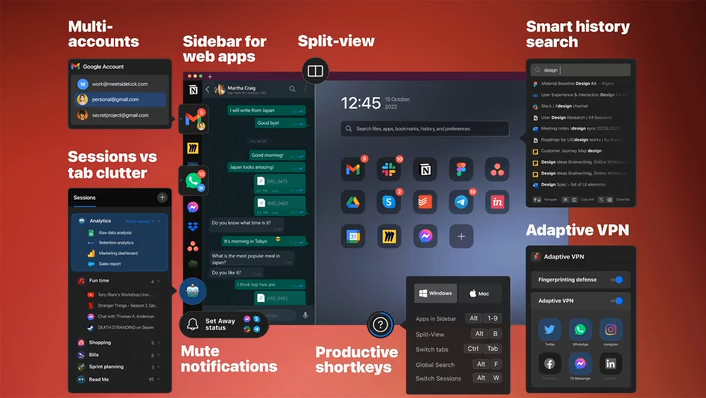
Sidekick was created by Dmitry Pushkarev, who says he was frustrated with the UX of common web browsers like Safari and Google Chrome.

Xavier AI emerged from stealth with an AI strategy consultant designed to make professional-grade consulting work accessible to more businesses.
You need a product people can use, proof that someone cares, and a reason to be in public now. Without that, PR turns into noise.
Decide what the business needs from attention: investors, customers, candidates, partners, or category recognition. Then gather the proof and make sure the founders have time to be involved.
Yes, if the story is strong enough to travel. A thin launch line may get a mention. A real company story can support media, fundraising, sales, hiring, and AI search.
Yes. Announcements are useful deadlines, not the only reason to speak. A company can build attention through customer proof, founder views, category shifts, data, and product momentum.
Target the places your next important audience already trusts. That may be TechCrunch or Sifted. It may also be a niche newsletter, podcast, trade publication, or founder-led media channel.
A tight announcement can move in weeks. A public record that keeps working for the company usually takes months of positioning, outreach, interviews, follow-up stories, and owned content.
Tell us what you are building, what moment is coming up, and which audience needs to understand it.