
How do we announce a funding round in a way reporters care about?
Make the round evidence of something bigger: market timing, traction, product direction, investor conviction, or a category shift. "We raised money" is the least interesting part.
Service
PR for seed, Series A, and growth rounds that need more than a wire write-up.
MA Family runs funding announcements for seed, Series A, and growth-stage startups. The agency shapes the round around market timing, investor rationale, traction, use of funds, and founder quotes, then pitches reporters covering startups, venture capital, AI, developer tools, fintech, consumer hardware, SaaS, and European tech.
A funding round is rarely interesting by itself. Reporters want to know what the company has proved, why the market is moving, and what the new capital changes.
That means the financing event needs evidence around it: customer traction, investor logic, a product roadmap, founder track record, market pressure, or a sharp view of where the category is going.
MA Family packages that evidence into the announcement and the follow-up coverage around it.
We pressure-test the round against the current media market. Sometimes the best path is an exclusive. Sometimes it is a controlled set of vertical stories. Sometimes the round should be paired with product news, data, market commentary, or a founder interview.
We drive messaging, press materials, media list, founder prep, embargo handling, announcement-day execution, and follow-up coverage.
Decide what the round proves before reporter outreach starts.
Prepare embargo strategy, targets, briefing notes, launch materials, and founder quotes.
Give customers, investors, hires, and partners a stronger reason to take the company seriously.
Extend the round through vertical media, podcasts, local coverage, and founder commentary.
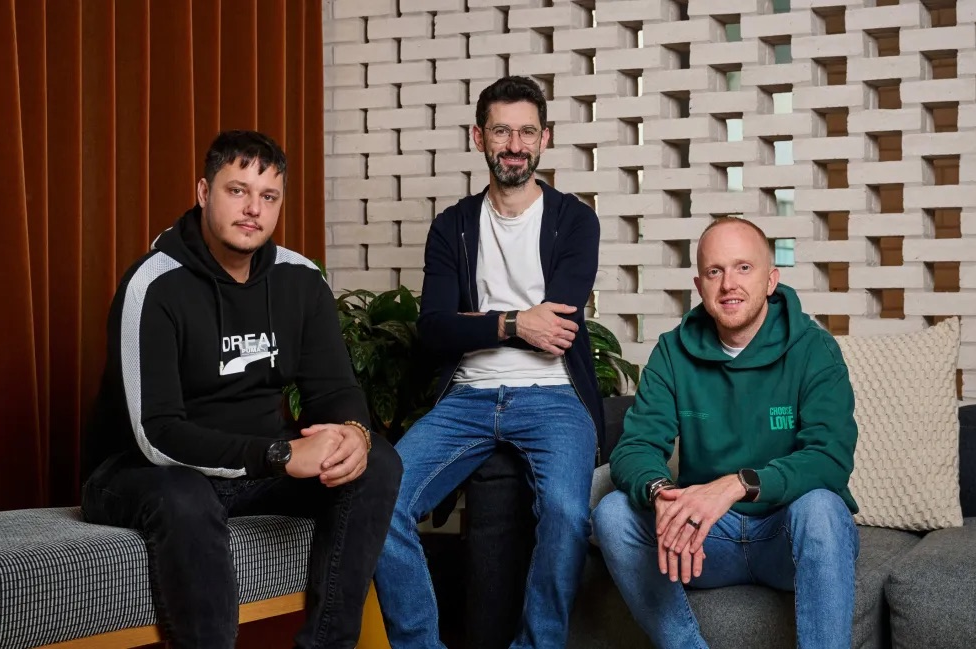
A startup founded by former Uber and Gett executives that is aiming to roll up independent real estate agencies across the U.K. and modernize their operations using AI and other digital technology has raised $93 million to further its expansion.

Shuttle raised $6 million to solve deployment and infrastructure pain points for vibe-coding workflows.
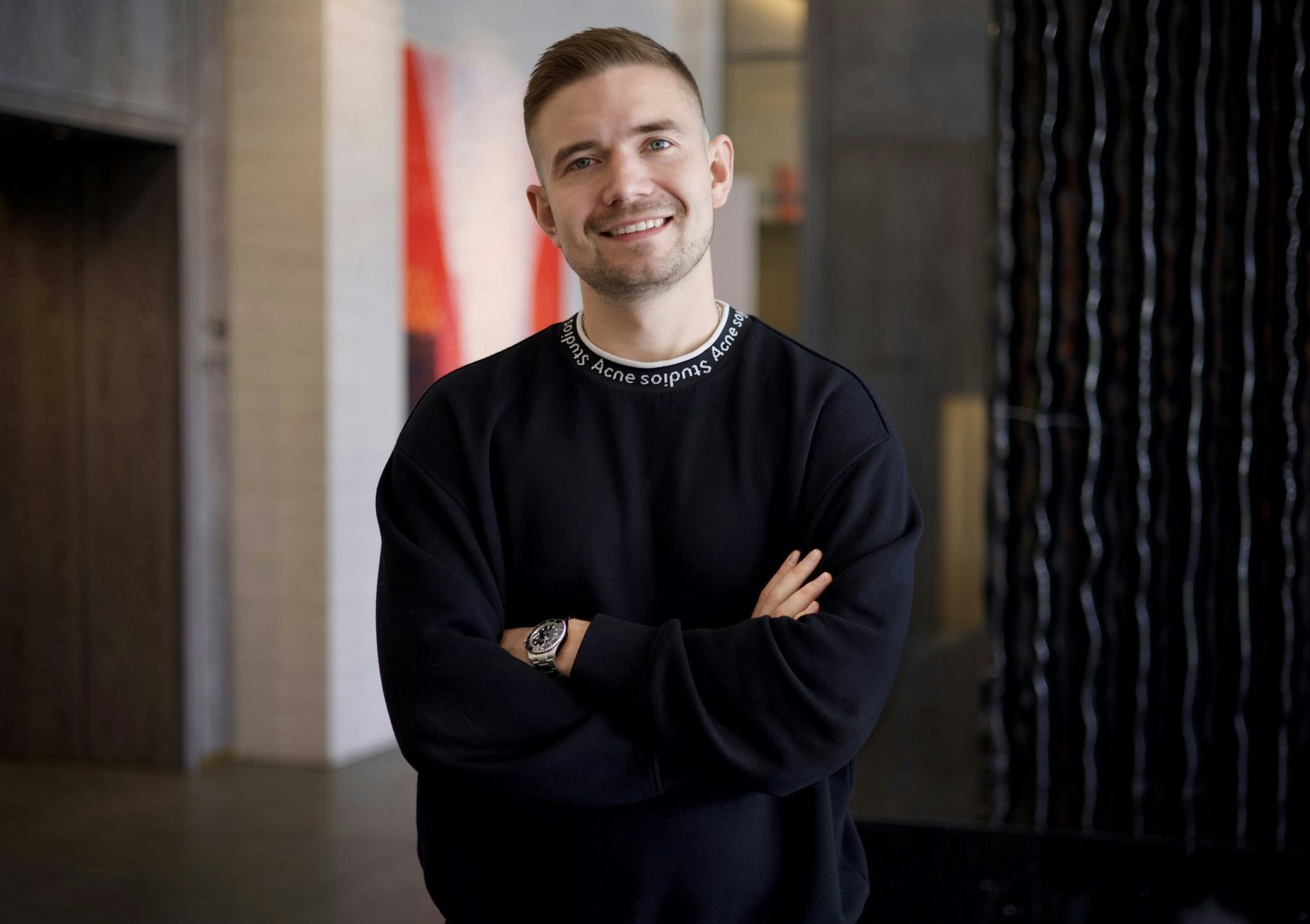
X10, a new crypto exchange for professional traders founded by three former Revolut employees, has raised a $6.5m round. The platform aims to address a gap in the market that FTX — which the jailed Sam Bankman-Fried founded – once occupied.
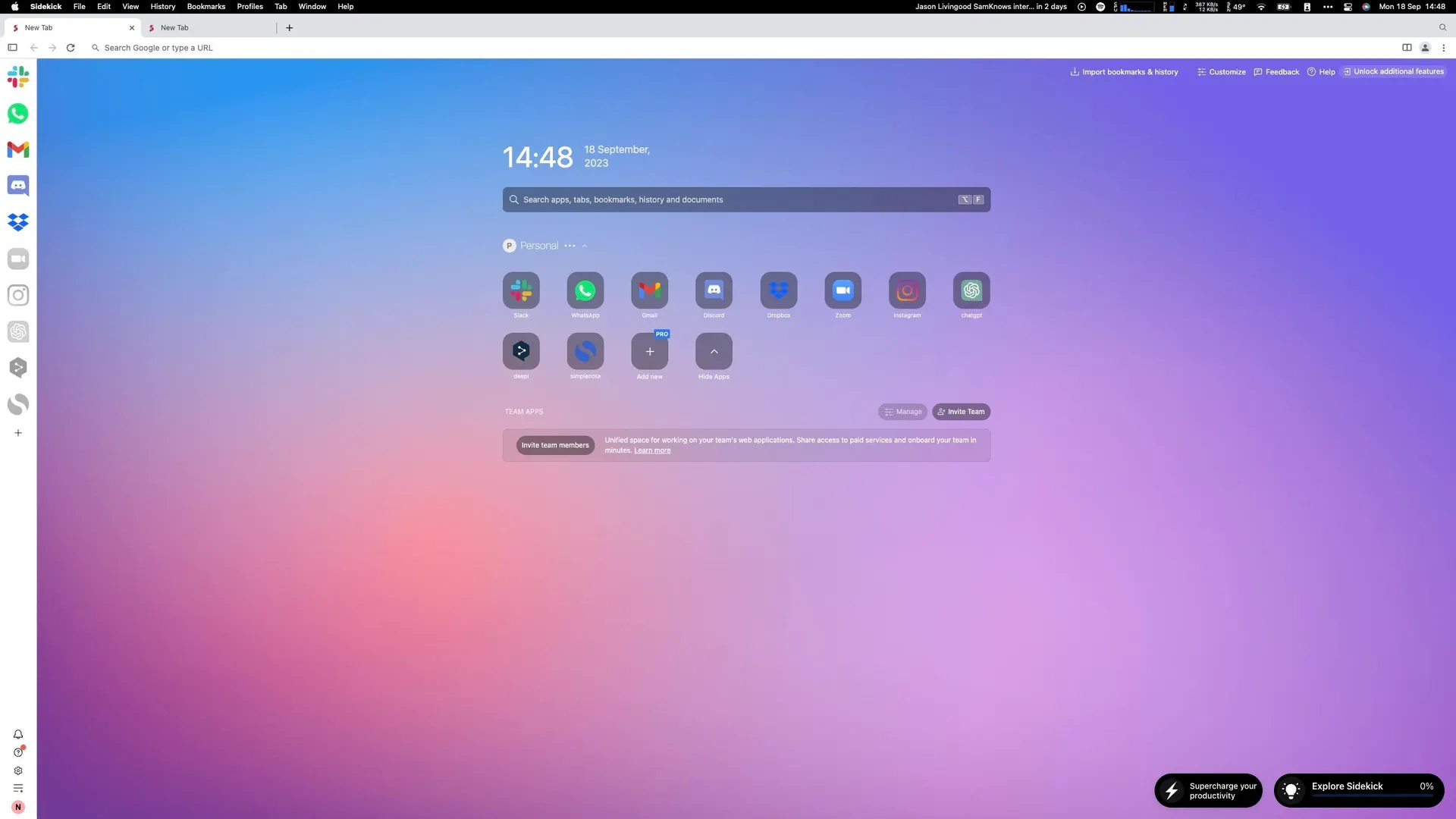
Sidekick strips out many of the distractions that afflict modern web browsers, including ads, notifications and personal websites during work hours. It's designed to keep people focused on their work, particularly those who suffer from ADHD.
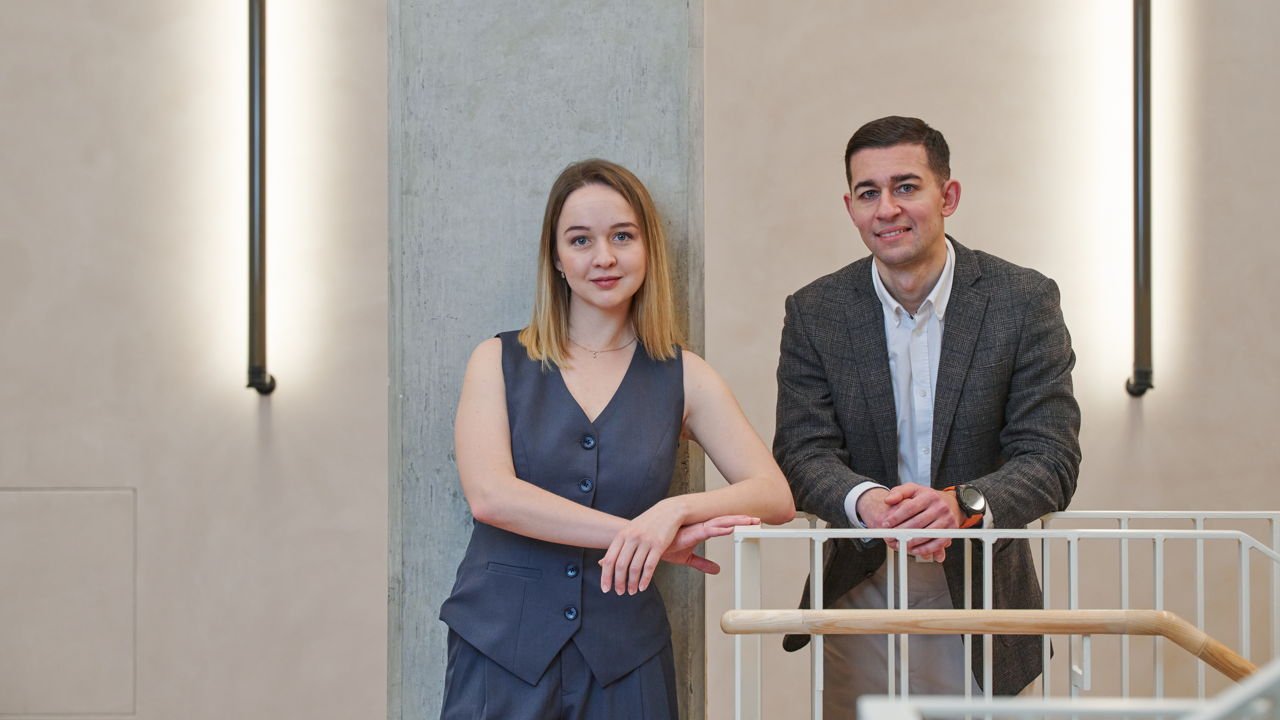
TaxNova emerged from stealth with $1 million in pre-seed funding and backing from a16z's accelerator, s16vc, Karaoke Club, and operators from Revolut and Miro.
Make the round evidence of something bigger: market timing, traction, product direction, investor conviction, or a category shift. "We raised money" is the least interesting part.
Start before the round fully closes. Once the date is fixed, the story, media targets, founder quotes, assets, and embargo plan should already be close.
Use an exclusive when one strong story can set the frame. Use an embargo when several outlets have a real reason to write different versions of the news.
Investor quality helps. So do customer traction, revenue growth, product milestones, market pressure, founder track record, and a specific plan for the money.
Yes, but the bar is higher than "we raised a seed." The company needs a reason to exist, relevant investors, early proof, or a market angle with tension in it.
Do not let the story die on announcement day. Use the round to open founder interviews, product stories, market commentary, customer proof, hiring plans, and investor context.
Tell us what you are building, what moment is coming up, and which audience needs to understand it.