
Should a founder be visible before the company is widely known?
Yes, if the founder has something useful to say before the company is famous. Public presence can help win customers, candidates, partners, investors, and reporter attention.
Service
Founder PR for people with something specific to say and a reason to be heard.
MA Family builds founder visibility programs for startup CEOs and operators. The agency defines the founder's public lane, prepares interviews, places podcasts and contributed pieces, and connects the founder's point of view to the company's product, category, customers, and fundraising context.
Founders are often the fastest way into a company. A good founder interview can explain the product, the market, the bet, and the tension behind it in a way a press release cannot.
MA Family defines what the founder should be known for, where they should show up, and what they can say without sounding like every other founder in the market.
We start by finding the founder’s territory. That might come from technical depth, customer insight, category experience, unusual taste, market timing, or a hard operating lesson.
Then we build a visibility program around it: media interviews, podcasts, newsletters, contributed pieces, event appearances, social posts, and preparation for the questions the founder will actually get.
Define the founder's public lane: what they can say with authority and evidence.
Build a practical mix of interviews, podcasts, newsletters, contributed pieces, panels, and owned content.
Prepare founders for reporter conversations, live events, sensitive questions, and repeatable messaging.
Tie visibility to the company: product, category, customers, hiring, fundraising, or market education.

Dr. Ben Goertzel joined The Joe Rogan Experience to discuss artificial intelligence, SingularityNET, and the future of decentralized AI systems.
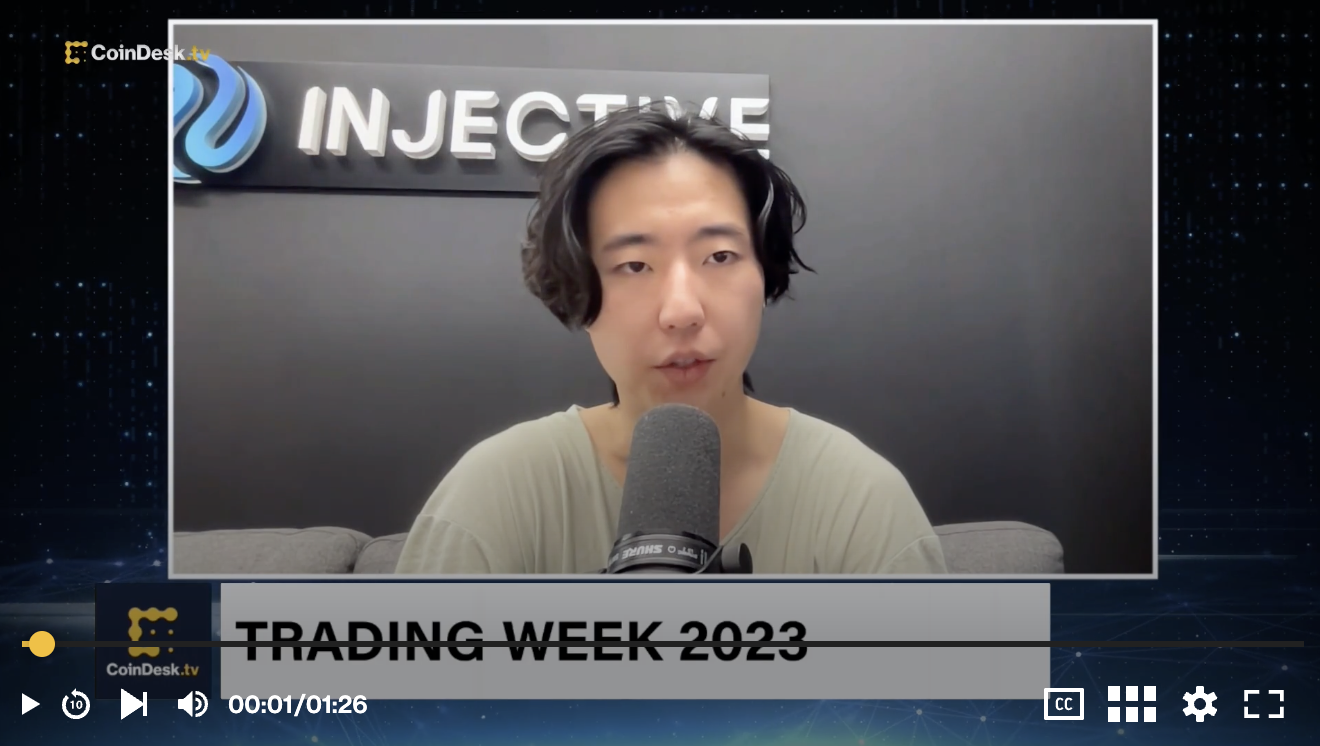
Injective Labs co-founder and CEO Eric Chen discusses a new Injective survey which indicates a small amount of respondents weren't able to tell if they were operating on a centralized or decentralized exchange.

A group of notable open-source programmers are joining with a VC investor to launch a nonprofit called the Open Source Endowment in hopes of permanently solving the perennial issue with developing open-source software: funding.

Dan Lifshits and Ilia Drozdov joined Scaling Europe to discuss Dwelly's London expansion, acquisition strategy, and AI-enabled property management model.

Dan Lifshits joined Tech Talks Daily to explain how Dwelly is using AI to rethink property management operations from the inside out.

The AI rollup transforming property managementThis week on Riding Unicorns, we sit down with Dan Lifshits, Co-Founder & COO of Dwelly — the AI-first lettings and property management platform reinventing how landlords, tenants, and agents inter...

JetBrains' Paul Everitt argues that companies and open-source communities need healthier relationships, stronger governance, and durable long-term incentives.

Shuttle co-founder Nodar Daneliya explains why AI-assisted development still needs safer, more reliable deployment infrastructure to scale beyond prototypes.
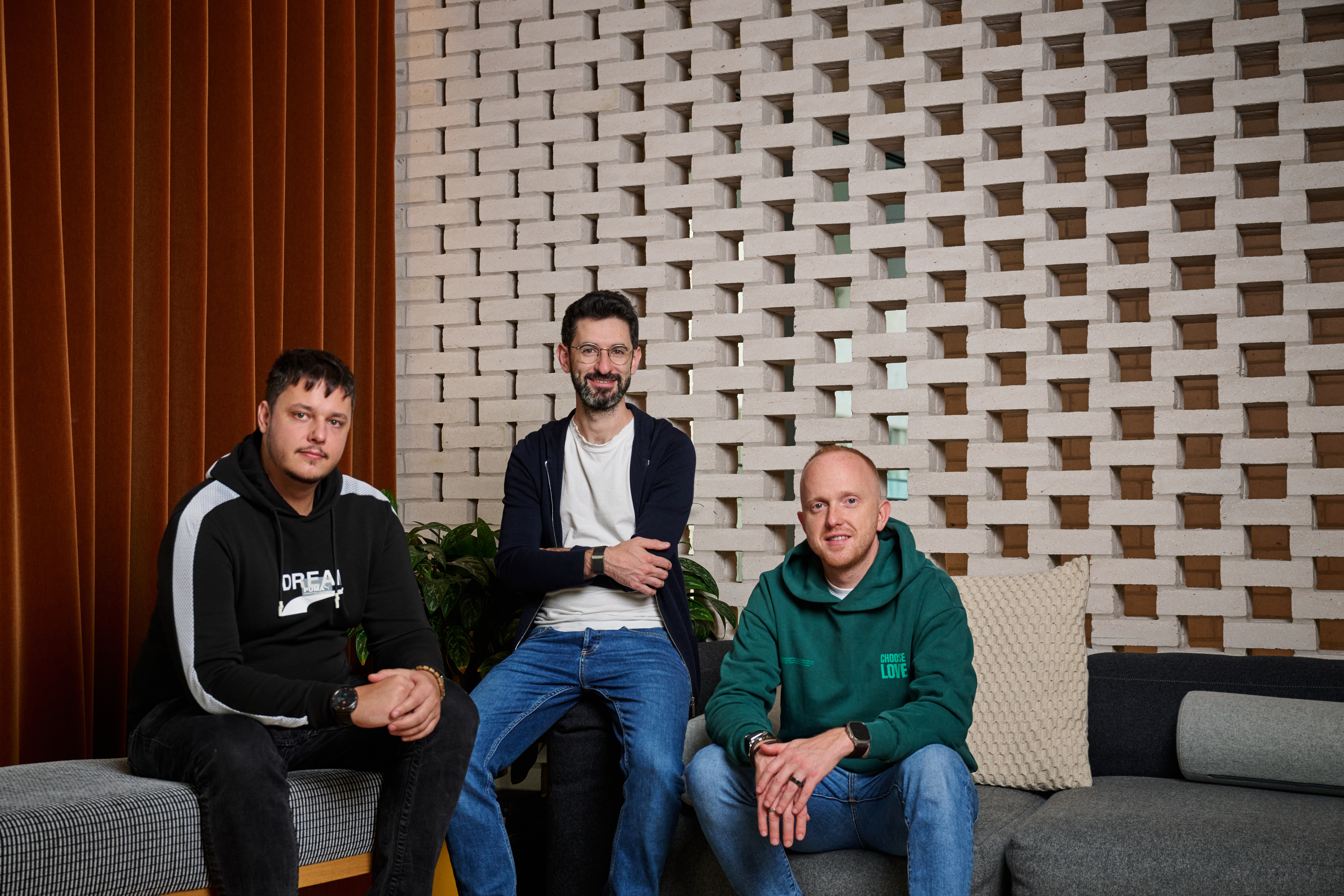
Dwelly co-founder Ilia Drozdov writes about why London remains Europe's strongest startup hub, from venture capital depth to digital infrastructure and talent.
Yes, if the founder has something useful to say before the company is famous. Public presence can help win customers, candidates, partners, investors, and reporter attention.
Do not just retell the launch story. Find a new fact, lesson, feature, data point, customer behavior, or market shift that gives people a reason to pay attention now.
A hook and an arc. The hook is the timely reason to speak. The arc is what the company is building, why it matters, and why the founder has earned the right to say it.
Use hard data, customer stories, product evidence, or operating lessons. A founder saying the product is better is weak. A founder showing why it is better can travel.
Go where the audience already pays attention. For some founders that is TechCrunch or Bloomberg. For others it is TBPN, Lenny's Podcast, Newcomer, LinkedIn, X, or a niche newsletter.
Follow the reporters, newsletter authors, and podcasters in the category. Share useful context, publish from the founder's own account, and post what the team is learning and building.
Tell us what you are building, what moment is coming up, and which audience needs to understand it.